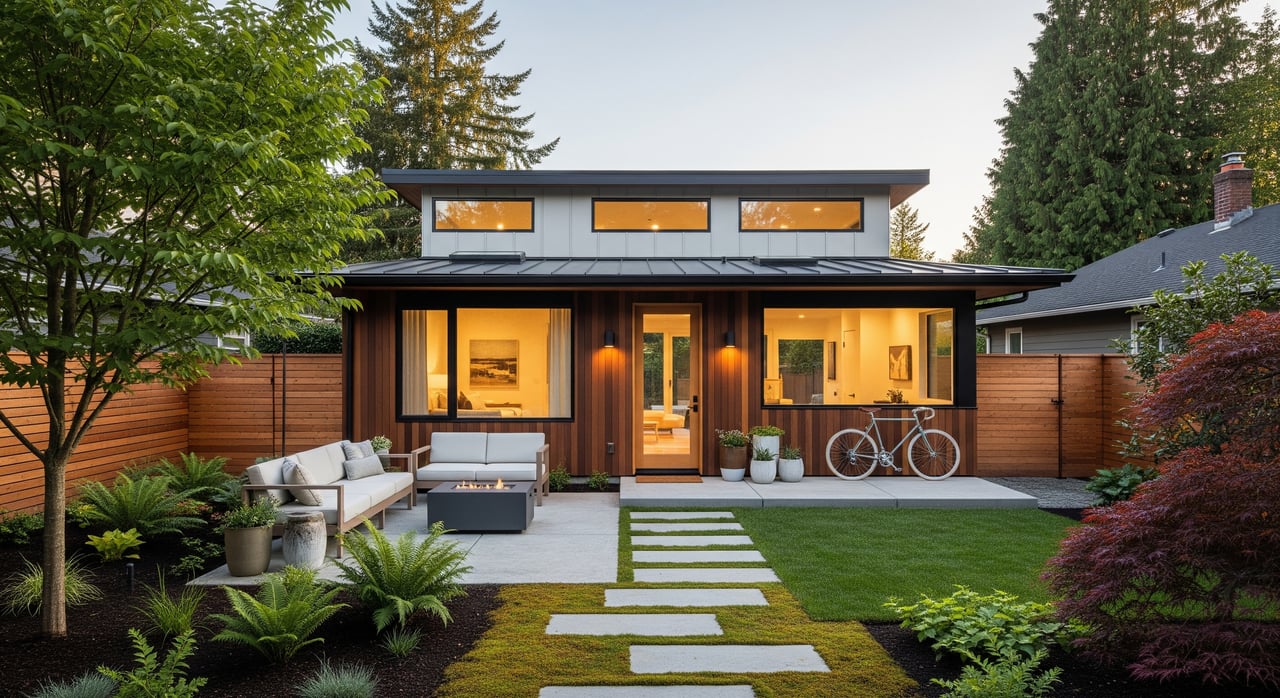
Thinking about using your property to help pay the mortgage or create more flexibility for your household? In Tualatin, accessory dwelling units and simple house hacking models can be smart, achievable ways to do it. You might be exploring rental income, a space for family, or a plan to live smaller and rent bigger. This guide shows you how to size the opportunity, what to check locally, and how to budget with confidence so you can move forward wisely. Let’s dive in.
ADU and house hacking, simplified
An accessory dwelling unit is a second, independent home on the same lot as your primary residence. It can be a detached cottage, an attached addition, or a conversion of existing space like a basement or garage. A junior ADU is a smaller unit carved out within the main home with its own entrance and kitchenette.
House hacking is any owner-occupied strategy where you live in one part of the property and rent another. In Tualatin, that can look like renting an ADU while you live in the main home, living in the ADU and renting the main home, or renting a few rooms while keeping an ADU as a separate long-term rental. You can also consider short-term rentals if allowed by local rules, although the economics and requirements are different.
What you can build in Tualatin
Feasibility depends on your specific lot and local requirements. Start by confirming your zoning and any overlay districts that apply to your address. Setbacks, height limits, and lot coverage will define your buildable envelope for an attached or detached ADU.
Utilities matter, too. Check water and sewer provider policies, capacity, and hookup procedures and fees. If your property has a septic system, your ADU options may be limited. HOA rules and private covenants can also restrict ADUs even when the city allows them, so review those documents early.
For a smoother path, speak with the City of Tualatin Planning and Building staff at the outset. Ask about zoning parameters, parking requirements, and whether any special design review applies to your property.
Permit and code basics
Plan on a building permit and plan review. Your ADU must meet current building, safety, electrical, plumbing, mechanical, and energy code requirements. During construction, the city will inspect the work. You will need final approval before anyone can occupy the new unit.
If you convert a garage or basement, expect added work for egress, fire separation, and sound insulation. JADUs inside the main dwelling typically have more limited scopes but still must meet code. Early conversations with an architect or experienced ADU designer help you avoid surprises.
Costs you can expect in Oregon
Actual bids will vary, but the following typical ranges are common in the Portland metro area:
- Detached ADU, 400 to 900 plus square feet: about 120,000 to 300,000 or more depending on finishes and site work.
- Attached ADU or conversion, including garages and interiors: about 40,000 to 150,000 depending on structural changes and upgrades.
- JADU inside the main home: often 10,000 to 60,000 based on scope, a kitchenette, and separate access.
- Soft costs for design, engineering, permits, and utility fees: often 10 to 20 percent of construction cost.
- Contingency: a prudent 10 to 20 percent.
These estimates are directional. A sloped lot, long utility runs, or premium finishes can push costs higher, while modest scope and straightforward sites can keep budgets tighter. Always seek local contractor quotes.
How to finance an ADU in Tualatin
You have several financing paths. The right fit depends on your equity, credit profile, and whether you want to count future rental income when you qualify.
- Cash or savings
- Construction-to-permanent loan that converts to a mortgage when complete
- Renovation loans such as FHA 203(k), Fannie Mae HomeStyle Renovation, or Freddie Mac programs, subject to lender availability
- Home Equity Line of Credit or home equity loan
- Cash-out refinance
- Portfolio loans from community banks that may consider projected ADU rent
- Local incentives or pilot programs that may come and go in Oregon, Washington County, or the City of Tualatin
Lenders sometimes allow a portion of projected ADU rent for qualifying, but policies vary. If rental income is key to your plan, speak with lenders early and be prepared to document market rents and lease terms.
Rental strategies and returns
ADUs can help offset your mortgage or improve cash flow when used as rentals. Your bottom line is gross rent minus vacancy, utilities you pay, management or time costs, maintenance, insurance, property taxes, and reserves for repairs. Owners often aim for positive cash flow or a meaningful reduction in monthly housing costs.
Your return depends on total project cost, market rent, and financing terms. If you plan to short-term rent, account for higher management, turnover, and regulatory risk. If you plan to rent long-term, expect steadier income and lower operating intensity.
Taxes and insurance to plan for
Adding living space usually increases your assessed value, which can increase property taxes. Rental income is taxable, although expenses, mortgage interest, and depreciation may be deductible. Speak with a qualified tax professional about your situation.
Update your insurance before you rent. You may need an endorsement to your homeowner’s policy or a landlord policy. Detached ADUs sometimes need separate coverage. Inform your insurer about how you intend to use the property.
Short-term rentals in Tualatin
Short-term rentals may require business licenses, transient occupancy taxes, or other approvals. They can generate higher gross revenue but typically come with higher management and vacancy costs. If you are considering this path, confirm current city and county rules for your address before building your business model around it.
Timeline from idea to move-in
Planning and building an ADU is a project. Expect:
- Feasibility and due diligence: 1 to 4 weeks for zoning, utilities, and HOA checks.
- Design and permit preparation: 4 to 12 or more weeks depending on complexity.
- Permit review and approval: often 2 to 6 or more months.
- Construction: about 3 to 9 or more months based on scope and site conditions.
From first idea to move-in, many projects run 6 to 18 months. A clear plan and experienced team can keep your timeline on track.
A practical checklist for Tualatin
Use this quick list to assess a property and plan your next steps:
- Confirm your zoning allows an ADU or JADU on the lot.
- Review setbacks, height limits, lot coverage, and the buildable area.
- Verify utility capacity and connection procedures for water, sewer, and electrical. Ask about hookup fees.
- Read HOA rules and any restrictive covenants on title.
- Ask the city about parking requirements and whether any waivers apply.
- Inquire about System Development Charges or other impact fees for new units.
- Obtain preliminary cost estimates from local contractors with ADU experience.
- Talk with lenders who understand ADU and renovation financing.
- Decide on your intended use, long-term rental, short-term rental, or family use, and confirm the related regulations.
- Plan for tax and insurance changes, and consult your tax advisor and insurance agent.
How to choose your team
ADUs succeed with the right partners. Start with the City of Tualatin Planning and Building staff to validate feasibility. Then bring in an architect or ADU designer to translate your ideas into code-compliant plans. Interview contractors who have built ADUs in the Portland metro area.
Loop in a lender that understands renovation or construction-to-permanent loans. Keep your tax advisor and insurance agent in the conversation so your budget and coverage stay aligned with your goals. Finally, work with a local real estate advisor who knows Tualatin’s neighborhoods, utilities, and permitting realities.
Why local guidance matters
Every parcel tells a unique story. Corner-lot setbacks, tree protection, slope, or a nearby overlay district can affect design and cost. Utility distances or septic conditions can reshape feasibility. A clear early read on these items can save you months and thousands of dollars.
If you are buying a Tualatin home with an ADU plan in mind, structure your timelines and contingencies so you can complete due diligence. That way, you will know whether the lot, budget, and lender path support your strategy before you commit.
Ready to explore your ADU path?
If you want to offset your mortgage, create multi-generational flexibility, or build long-term value, an ADU or house hacking model can be a powerful tool. The keys are a clear plan, realistic numbers, and a team that puts your goals first.
If you would like a local perspective on feasibility, budgeting, and timing for your Tualatin property search or sale, we are here to help. Connect with Evoke Property Partners to Request a White-Glove Consultation.
FAQs
Can I build an ADU on my Tualatin lot?
- Possibly. Feasibility depends on zoning, setbacks, utilities, HOA rules, and your lot’s characteristics. Contact the City of Tualatin Planning staff for a parcel-specific answer.
How much does a Tualatin ADU cost?
- Typical metro-area ranges are about 120,000 to 300,000 or more for detached units, 40,000 to 150,000 for attached or conversions, and 10,000 to 60,000 for JADUs, plus soft costs and a 10 to 20 percent contingency.
How long does an ADU take from start to finish?
- Many projects run 6 to 18 months. Expect 1 to 4 weeks for feasibility, 4 to 12 or more weeks for design, 2 to 6 or more months for permits, and 3 to 9 or more months for construction.
Will lenders count ADU rental income when I qualify?
- Some lenders will consider a portion of projected or established ADU rent, but policies vary widely. Speak with lenders early and prepare market rent estimates and documentation.
Will my property taxes go up if I add an ADU?
- Likely yes. Adding living space usually increases assessed value, which can raise property taxes. For specifics, speak with the county assessor or a tax professional.
Are there incentives for ADUs in Tualatin or Washington County?
- Programs change over time. Check with the City of Tualatin, Washington County, and Oregon housing agencies to see if any grants, fee reductions, or loans are currently available.
