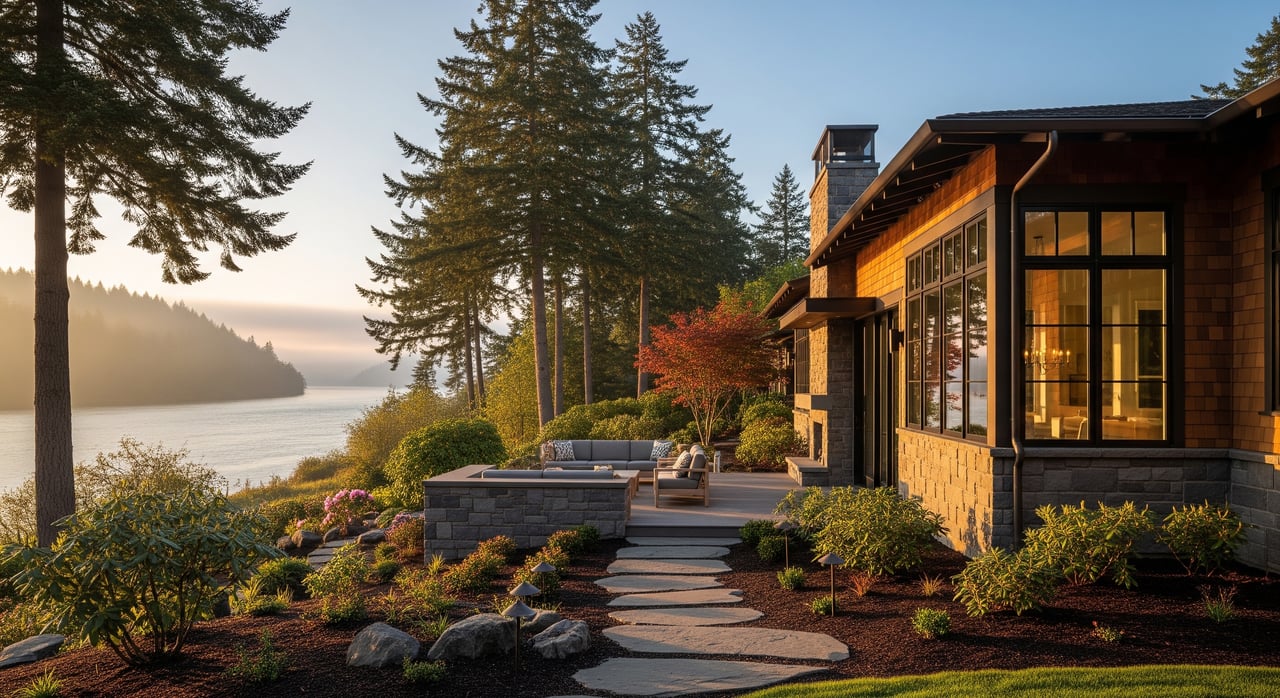
Thinking about a riverfront city with small‑city ease and quick access to Portland? West Linn gives you quiet neighborhoods, scenic views, and a daily connection to the Willamette River. If you are weighing lifestyle, commute, and what you can expect from the housing market, this guide will help you get oriented fast. You will learn where people spend time, how the housing stock varies, and what to watch for as a buyer. Let’s dive in.
Why West Linn stands out
West Linn sits just south of Lake Oswego and southeast of Portland along the Willamette River. You get a suburban pace with proximity to parks, water access, and local shops. Many residents value the outdoor amenities and the town’s compact riverfront area, while still tapping into the broader Portland metro.
The Willamette River and nearby Willamette Falls shape the city’s sense of place. Scenic viewpoints, trails, and river overlooks tie daily life to the water. Seasonal community events and ongoing riverfront projects continue to build on that identity.
Everyday lifestyle and recreation
River and parks
West Linn’s park network includes riverfront green spaces, neighborhood parks, and natural areas. Mary S. Young State Natural Area offers paved and unpaved trails, picnic spots, and river access. You can expect a steady cadence of casual walks, runs, and dog outings woven into daily routines.
Trails and water access
Neighborhood paths and regional connections along the Willamette support walking and cycling. Public access points make it easy to kayak, fish, or launch small boats. If you value being on or near the water, you will find multiple places to get out for an hour or a full day.
Local dining and retail
A compact downtown/Old Town area near the river features small restaurants, cafes, and specialty shops. You will also find grocery stores and services along major corridors. Day to day, it is simple to combine errands with a park stop or a quick bite.
Community events and projects
Civic initiatives around the riverfront, including legacy projects tied to Willamette Falls, add momentum to the area’s identity. Seasonal events reinforce a small‑city feel. You get the benefits of community focus without giving up access to the regional metro.
Housing overview
Home types and styles
Single‑family homes dominate. You will see mid‑century ranches, 1950s–1970s suburban houses, and newer custom and spec homes on hillside or riverview lots. Older pockets show Pacific Northwest and Craftsman influences, while recent builds lean contemporary or neo‑traditional. Townhomes and condos exist in smaller numbers near downtown and along major roads. On the edges, larger lots and wooded settings are common, including hobby‑farm‑style parcels.
Lot patterns and topography
Lot sizes range from smaller, walkable blocks near downtown to larger, sloped parcels on hillsides. Steeper terrain can affect driveway grade, yard usability, and construction choices. In many hillside areas, the tradeoff for views is less walkability and more winding streets.
What to expect on price
West Linn is an established, desirable suburb with a mix of moderate and high‑end options. Condos and townhomes are often the lower‑cost entry point compared with single‑family homes. Typical single‑family homes sit in a mid‑to‑high price band for the region, while riverview, riverfront, and large new construction frequently reach seven figures. Because prices shift with supply and post‑pandemic patterns, plan to verify current medians and actives through RMLS and recent closed‑sale snapshots.
Practical housing considerations
- Topography and drainage: hillside lots may require attention to foundation design, driveway grade, and stormwater.
- Views and setbacks: riverview homes can involve view corridors, river setbacks, or easements. Confirm details during diligence.
- Renovation vs. new build: mid‑century and 1970s homes often present updating opportunities; newer subdivisions bring modern layouts but fewer mature trees.
- Inventory realities: specific segments, such as riverfront or townhomes, can be limited. Tighter supply can affect time on market and negotiation.
Micro‑areas at a glance
Downtown and riverfront (Old Town)
This is the most walkable pocket, close to river parks, cafes, and small businesses. Expect a mix of historic homes, smaller lots, and occasional condos or infill. If you want a village feel with easy river access, start here.
Riverview ridges and upper hills
Elevated outlooks and winding streets define these hillside neighborhoods. Homes trend larger, with custom builds and newer construction in some areas. You gain privacy and views, with the tradeoff of less walkability and often higher price points.
Suburban corridors and newer subdivisions
Along major roads and near retail, you will find a more conventional suburban pattern. Housing includes post‑1950s tract homes, townhomes, and newer infill with consistent lot sizes. Convenience to shopping and commuter routes is the draw.
Hillside and semi‑rural edges
Toward the city’s periphery, larger lots and wooded parcels create a more private setting. Options range from older farmhouse styles to contemporary homes on acreage. Drive times to downtown amenities are longer, but you keep a “country” feel within city limits.
Near commercial and light industrial corridors
These areas trade some residential ambiance for straightforward convenience. You will be close to major arterials, services, and everyday shopping. Consider potential traffic and noise alongside the practical location.
Getting around and commute
Driving and freeway access
West Linn is primarily car‑oriented and ties into the Portland metro freeway network through regional arterials. If you commute to central Portland, expect typical peak‑period congestion, especially at river crossings and freeway links. Trips to nearby employment centers like Lake Oswego and Oregon City are usually shorter in light traffic.
Transit and biking
TriMet operates bus routes in the area, though service is less frequent than in inner Portland. Walking works best downtown and by the river, while bikes shine on trails and recreational routes. Many everyday commutes will still be by car.
Time estimates and variability
Travel time depends on destination and time of day. Drives to nearby suburbs often run under 20 minutes in light traffic. Reaching central Portland can take 20 to 40+ minutes depending on route and rush hour. Allow for seasonal variation and incident‑related delays.
Practical living logistics
Shopping and services
You will find local retail downtown plus larger grocery and big‑box options along the main corridors and in nearby suburbs. Day‑to‑day errands are simple to combine with park stops and trail time.
Utilities and taxes
Municipal services like water, sewer, and solid waste are provided by the City and, for some functions, Clackamas County. Electric and other utilities are handled by regional providers that vary by address, so confirm service specifics during your home search. Oregon has no state sales tax, and property taxes are assessed locally. For exact property tax details, consult the Clackamas County Assessor.
Environmental checks
Riverfront and low‑lying areas can fall within FEMA‑mapped floodplains. Hillside locations may involve slope or landslide considerations. Before you finalize a purchase, review FEMA flood maps, the City’s hazard maps, and engage appropriate inspections or geotechnical reviews for steep lots.
How Evoke helps you move with confidence
Buying in West Linn can feel straightforward when you have local guidance and a clear plan. Our boutique, CEO‑led team pairs hyperlocal market knowledge with a hospitality mindset, so you get attentive service and practical advice. We help you weigh micro‑area tradeoffs, evaluate hillside or riverfront considerations, and time your offer in a market where inventory can be tight.
If you are considering acreage or a unique property, our niche expertise covers land valuation, utilities and septic, access, and easements. For every client, we bring luxury‑grade presentation, vendor coordination, and steady communication that removes friction from the process. When you are ready to explore West Linn with a trusted advocate, connect with Evoke Property Partners.
FAQs
How much does a typical home cost in West Linn?
- Prices vary by product type and views; verify current medians and actives through RMLS and recent closed‑sale reports, since supply and post‑pandemic patterns can shift pricing.
Which areas are most walkable in West Linn?
- The downtown/Old Town riverfront area offers the most walkability, while hillside and ridge neighborhoods prioritize views and privacy over foot‑friendly access.
What is the commute like to Portland from West Linn?
- Plan for about 20 to 40+ minutes to central Portland depending on route and rush hour, with shorter trips to nearby suburbs in light traffic and variability due to incidents.
Are there flood or slope risks I should check?
- Yes; review FEMA flood maps and the City’s hazard maps, and consider inspections or geotechnical reports for riverfront or hillside properties before you finalize a purchase.
Where can I learn about riverfront redevelopment and Willamette Falls?
- Check City of West Linn communications and materials related to Willamette Falls and legacy projects for current updates on planning and public access.
What if I prefer low‑maintenance living?
- Townhomes and condos exist near downtown and along major corridors, though supply is more limited than single‑family homes, so plan for focused search and timing.
