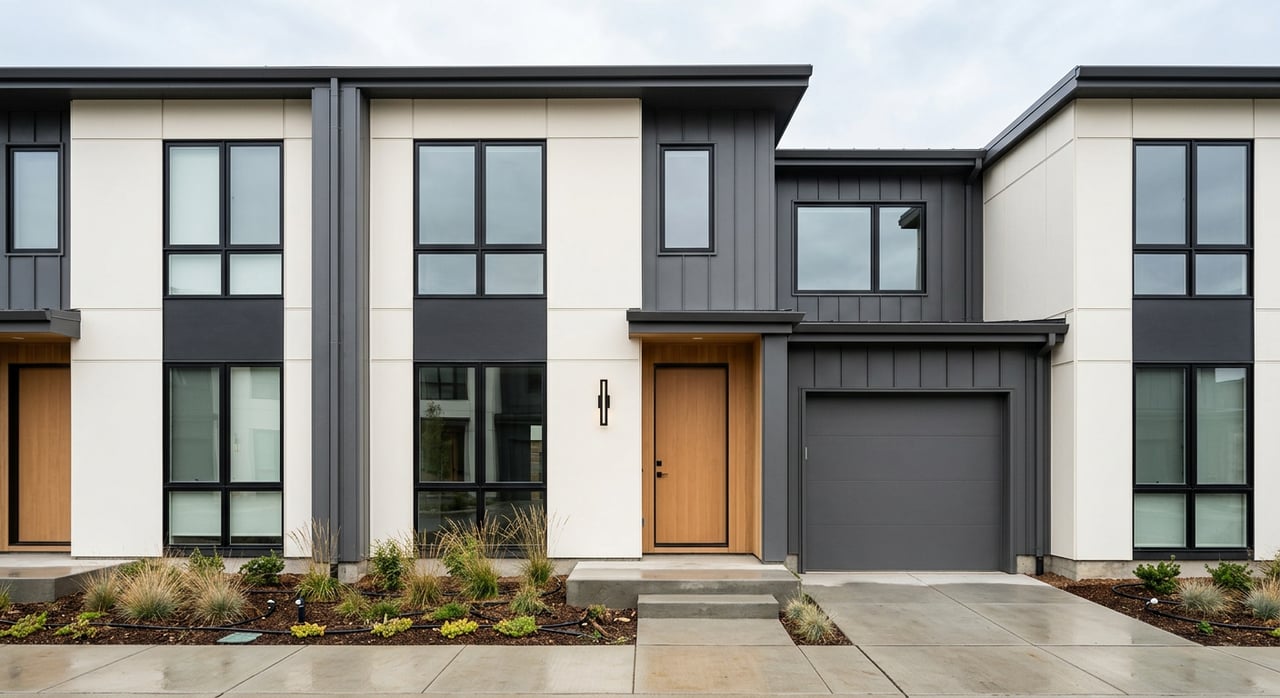
You want the benefits of a brand-new home in Tigard: modern layouts, efficient systems, and low-maintenance living. You also want to make smart choices about builders, contracts, and timelines so your move feels smooth, not stressful. This guide explains where new construction is happening, what to expect from planned communities, how Oregon’s rules shape your home, and the steps that protect you from contract to warranty. Let’s dive in.
Where new homes are happening
Tigard’s growth is focused in a few key areas you can watch for ongoing releases and future amenities.
- Tigard Triangle town center: The city is guiding long-term redevelopment with housing, mixed-use, and parks in the Triangle area bounded by I‑5, 217, and 99W. See the city’s overview of the Tigard Triangle redevelopment plan for context and updates.
- River Terrace and Bull Mountain: Master-planned neighborhoods continue to add phases, with single-family and attached products plus trails and pocket retail in some plans. For current releases and examples, explore River Terrace Crossing by Pacific Lifestyle Homes and the energy-forward model from Ichijo at River Terrace Crossing.
- Infill and small subdivisions: Expect smaller townhome and single-family plats sprinkled across Tigard by national and regional builders. Pricing and plans update often on builder pages.
Builders and home types
Most Tigard new builds come from production builders offering a clear mix of options:
- Single-family detached on small to mid-size lots.
- Attached single-family and townhomes.
- Mixed-use nodes in master-planned areas with nearby retail and open space.
You will typically see to-be-built homes you can personalize, plus quick-move-in and spec homes with set timelines and finishes. Builders like Lennar, D.R. Horton, Ichijo, Pacific Lifestyle, and Risewell/New Home Co. publish floor plans, included features, and current release info on their community pages.
Design, finishes, and energy features
In Tigard, common finish packages include open main floors, quartz or other solid-surface counters, stainless appliances, durable LVP flooring, and smart-home starters. Many builders rough-in or prewire for EV charging and include LED lighting and efficient windows as standard.
Oregon’s energy rules raise the baseline further. Chapter 11 of the Residential Specialty Code encourages tighter envelopes and efficient systems, and recent updates mean you should expect more all-electric or heat-pump-ready designs plus solar-ready features. Learn what the code encourages on the Oregon BCD energy compliance page. Builders like Ichijo also highlight heat-pump HVAC and net-zero-ready envelopes in select models; see their River Terrace model and features.
Pricing and availability tips
Prices, premiums, and release dates change quickly. Most community pages show starting prices and a list of available or coming-soon homesites. Some River Terrace phases have published recent starting prices in the low to mid 700s, but always confirm the latest numbers on the builder’s page or with your agent. If you are eyeing a particular lot, ask about lot premiums and whether the builder prices the lot and home separately.
Build timelines to expect
For production single-family homes, national benchmarks suggest roughly 8 to 10 months from permit to completion. Timing varies by region, builder, and utility or inspection schedules, and the Pacific division often runs longer than the U.S. average. Plan buffer time for permitting, selections, and final inspections. For context, see NAHB’s build-time summary based on Census data: typical single-family build times.
Contracts and selections
New construction uses builder forms that differ from standard resale agreements. Here is what to expect and what to confirm before you sign.
- Reservation and lot selection: Many builders require a deposit to hold a lot and plan. Lot premiums are common and appear on a price sheet or addendum.
- Purchase agreement: Builder contracts may include staged deposits, tight loan-contingency windows, and clear change-order procedures for upgrades. Have your buyer’s agent review the form and timing requirements. For Oregon contract guidance and agency issues, see the Oregon Realtors risk management resource.
- Design center and upgrades: Ask for the price sheet that shows what is included versus optional, who approves change orders, how they are priced, and how selections affect timelines.
Pro tip: Some builders limit inspection or loan contingencies and enforce strict selection deadlines. Know your dates and keep your lender looped in on milestones.
Inspections, walk-through, and closing
Even new homes benefit from independent inspections. Many buyers schedule pre-drywall and pre-close inspections, then complete a final walk-through and punch list with the builder’s customer care team.
- Inspections: Use staged and final inspections to spot items before drywall and before closing.
- Punch list: Document items clearly and review how the builder handles post-close touchups.
- Occupancy and closing: If a builder offers early occupancy under a temporary certificate of occupancy, confirm your lender and insurer approve and that you understand any tax or liability implications.
Warranties and Oregon rules
Most builders follow a familiar structure: a 1-year workmanship warranty, a 2-year systems warranty, and a 10-year structural coverage that is often insurance-backed. Always ask for the full warranty certificate and claims process at contract and again at closing. Large public builders describe these programs in their filings, such as Lennar’s 10‑K, which outlines warranty obligations and reserves; see the warranty discussion in Lennar’s filing.
Oregon adds important protections and procedures:
- Pre-suit notice and repair: Oregon law generally requires written notice and an opportunity for the contractor to inspect and repair alleged defects before a lawsuit. Read a plain-language overview of the process here: Oregon construction defect pre-suit steps.
- Time limits: Oregon has statutes of limitation and repose that set deadlines for bringing construction claims, often with a 10-year outer limit depending on facts. Learn the basics from this summary of Oregon construction defect time limits. For any dispute or claim, consult an attorney for advice specific to your situation.
HOA and planned community basics
Planned communities and condominium projects operate under recorded CC&Rs, bylaws, budgets, and rules. Before you commit, request and review:
- Draft CC&Rs and bylaws, including any architectural guidelines.
- The initial budget and reserve disclosures.
- An estimate of assessments and what they cover.
- Maintenance maps and responsibility charts for shared elements.
These documents help you understand ongoing costs, restrictions, and how the association will function after builder turnover.
How your buyer’s agent protects you
An independent buyer’s agent makes new-construction smoother and safer for you by:
- Reviewing the builder’s purchase agreement and addenda, noting tight timelines or limited contingencies, and negotiating practical changes when possible.
- Registering you with the builder before your first model visit so your representation is recognized.
- Gathering HOA drafts, warranty certificates, title, and energy-spec sheets so you can budget and plan.
- Coordinating with your lender and inspector to protect your rate lock and build schedule, and managing punch-list follow up.
- Advocating post-close if warranty items need escalation.
Bold tip: Bring or register your buyer’s agent before your first model-home visit. Some builders only recognize your agent if they register you at or before that first contact.
What to ask the sales agent
Use this quick list at your first visit or call:
- What is the lot premium and how is it priced relative to the base home?
- What is the deposit schedule and which deposits are nonrefundable?
- What are the design center selection and change-order deadlines?
- What loan, appraisal, and inspection contingencies are included, and how long are they?
- What is the target completion date and what happens if delays affect my rate lock?
- Will you allow early occupancy with a temporary certificate, and what are the rules?
- Can I see the full warranty certificate and claims process now?
- May I review draft CC&Rs, bylaws, budgets, and the assessment schedule?
Key documents to request
Collect these six items early to make informed decisions:
- Community site map and current lot release list with any premiums.
- Full builder purchase agreement and all addenda.
- Design center included-features sheet and upgrade price list.
- Draft HOA documents: CC&Rs, bylaws, budget, reserves, and rules.
- Warranty certificate and a flow chart of the claims process.
- Energy and mechanical specs, including HVAC and water heater model numbers.
When to call an expert
- Before your first model-home visit to register your buyer agent.
- Before you sign the builder’s purchase agreement or pay a deposit.
- If you receive a defect notice, need to file a warranty claim, or are considering legal action.
- If builder delays threaten your rate lock or loan conditions.
Next steps
If you are comparing River Terrace phases, eyeing a Bull Mountain release, or simply deciding whether a quick-move-in or to-be-built fits your timeline, you do not have to navigate it alone. A concierge, detail-forward approach will protect your time, budget, and peace of mind from the first model tour to post-close care. Ready to take the next step with local expertise on your side? Request a White-Glove Consultation with Evoke Property Partners.
FAQs
What are the main new construction areas in Tigard?
- Watch the Tigard Triangle for long-term mixed-use growth and the River Terrace and Bull Mountain areas for active master-planned single-family and townhome phases.
How long does it take to build a new home in Tigard?
- Production single-family homes often take about 8 to 10 months from permit to completion, with timelines varying by builder, inspections, and utilities.
What energy-efficient features should I expect in Tigard new builds?
- Many homes include heat-pump-ready or all-electric systems, LED lighting, efficient windows, tight ductwork, and solar-ready provisions driven by Oregon’s energy code.
What does a typical builder warranty cover on a new home?
- Many programs provide 1 year for workmanship, 2 years for systems, and 10 years for structural coverage, documented in a written warranty certificate.
How do HOAs work in Tigard’s planned communities?
- HOAs operate under CC&Rs, bylaws, and budgets; ask for drafts early so you can review assessments, maintenance responsibilities, and rules before committing.
Do I need my own buyer’s agent for new construction?
- Yes, an independent agent can register you early, review builder forms, coordinate inspections and lending, and advocate on warranty items without conflicts of interest.
