Selling your Tigard home and aiming for a premium result? In a market where many homes take weeks to sell, how you present your property can be the difference between sitting and standing out. With prices clustered in the mid 500s to low 600s and higher pockets in areas like West Tigard, buyers compare closely and reward homes that feel move‑in ready. This guide shows you exactly how to prep permits and paperwork, what to update and stage by price tier, which photos and media matter most, and a realistic timeline to launch. Let’s dive in.
Why presentation matters in Tigard now
Tigard’s typical home value sits in the mid 500s to low 600s, and buyer activity varies by neighborhood and finish level. In higher‑priced pockets such as West Tigard, expectations for photos, staging, and outdoor living rise. Across the Portland metro, market reports have noted modest softening and longer time on market in 2025 compared with prior years, which means you cannot count on market heat alone to carry a property. Regional trend commentary supports what we see on the ground: pricing smart and presenting beautifully is the winning combo.
What does that mean for you? It means your plan should be clear: verify permits and disclosures, complete targeted updates, stage the right rooms, and market with professional photos and a 3D tour where appropriate. Done well, this strategy helps you sell faster and for more.
Know your price tier
Use these Tigard‑specific tiers to focus your budget:
- Entry/Core market (roughly at or under the local median): Emphasize decluttering, deep cleaning, fresh neutral paint, lighting, and curb appeal.
- Mid‑market (about 600,000 to 800,000): Add outdoor living definition, small kitchen and bath refreshes, and invest in professional photography and a 3D tour.
- Premium (roughly 800,000 and up, including parts of West Tigard): Consider full professional staging, top‑tier photo and video, a virtual tour, and selective pre‑list upgrades if your comps support them.
These bands help you avoid overspending where it will not pay back and doubling down where buyers expect more.
Step 1: Permits, disclosures, and repairs
Before you paint a wall or order furniture, make sure your paperwork is in order.
- Verify permits. Common projects in Tigard that often require permits include window or door replacement, decks and porches, re‑roofing, siding, fences, water heaters, HVAC, patios, and accessory structures. Review the City’s guidance and gather documentation for any recent work. If you lack records, discuss how to disclose and position that with your agent. The City reminds homeowners that it does not enforce HOA covenants, so check HOA rules separately. See the City’s “Do I Need a Permit?” page for details: Tigard Building Services permit guidance.
- Complete Oregon’s seller disclosure. Oregon requires the statutory Seller Property Disclosure Statement (SPDS). Delivering the SPDS in the required form matters; failing to do so can create a buyer revocation right. Complete it truthfully and ask your agent or an attorney about legal questions. Review the statute here: ORS 105 Seller’s Property Disclosure.
- Consider targeted pre‑listing inspections. If your roof, HVAC, or plumbing systems are older, a pre‑listing check can surface issues early and reduce surprises. Keep receipts and warranty paperwork for all repairs.
Common permit pitfalls to address before listing include unpermitted decks, re‑roofing without documentation, and window replacements without records. Clearing these up protects your sale and keeps negotiations smoother.
Step 2: Smart updates that pay
Focus on high‑visibility, high‑ROI touches that photograph well and signal “well‑kept.”
- Paint and lighting. Fresh, neutral walls and modern, warm LED fixtures make older homes feel current and bright.
- Kitchen and bath refreshes. Swap dated cabinet hardware, replace tired faucets, and add modern pendants. Consider resurfacing counters only if comps justify the spend.
- Floors and trim. Repair or replace heavily worn carpet, refinish scratched wood, and touch up baseboards.
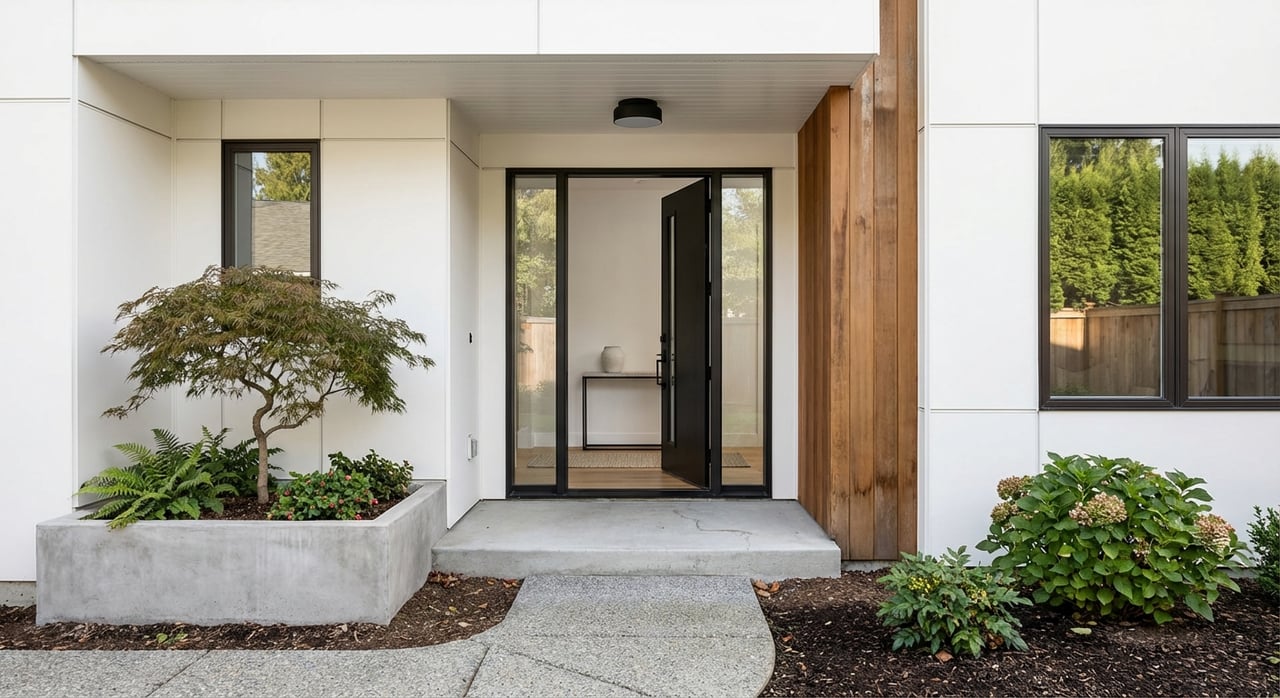
- Curb appeal. Power‑wash paths and siding, repaint the front door, and add tidy planters. Address drainage or soggy spots so buyers do not worry about water issues.
- Landscape for our climate. Choose low‑maintenance, pollinator‑friendly plants that thrive here to reduce water needs and appeal to eco‑minded buyers. OSU Extension offers helpful guidance on native picks for pollinators: native plant ideas.
Step 3: Stage for how Tigard buyers live
Staging is not just decor; it is a marketing tool that clarifies space, scale, and lifestyle.
- What the data say. In the National Association of Realtors’ latest staging report, about 29% of seller agents saw a 1% to 10% increase in dollar value for staged homes, and roughly 49% observed reduced time on market. The most important rooms to stage are the living room, primary bedroom, and kitchen. See the highlights here: NAR 2025 staging findings.
- Industry performance snapshots. Staging case samples collected by the Real Estate Staging Association reported average sale‑to‑list ratios around 107% to 109% in recent quarters, with a Q1 average staging investment near $3,588 in their submissions. Methodologies vary, but the takeaway is consistent: well‑executed staging can help. Explore the stats: RESA staging statistics.
- Budgeting. Professional staging costs range by size and scope. Agent‑led consultations can be a few hundred dollars, while full furniture staging for multiple rooms often lands in the low‑to‑mid thousands, depending on your home. For background on typical ranges, see this overview: Is professional home staging worth the cost?
Remember that ROI varies by execution, price point, and market timing. The goal is to create a clean, cohesive look that supports your list price and photography.
Step 4: Staging tactics by Tigard price band
Use these practical checklists to focus your spend where buyers feel it most.
Entry/Core market
- Declutter and deep clean. Remove 30% to 40% of items from shelves and closets. Rent short‑term storage if needed.
- Neutral paint and lighting. Choose light, warm neutrals and consistent bulbs throughout.
- Stage priority rooms. Style the living room, primary bedroom, and kitchen with simple, modern pieces and cohesive textiles.
- Curb appeal. Fresh bark dust or gravel, trimmed edges, and a tidy porch set the tone.
- Value add. Emphasize functional upgrades in your marketing copy, like newer systems or energy‑efficient windows if documented.
Mid‑market (about 600,000 to 800,000)
- Everything in Entry/Core, plus:
- Outdoor living. Define a seating area on the deck or patio and add a café table near the kitchen slider to show indoor‑outdoor flow.
- Minor kitchen updates. New cabinet hardware, a statement faucet, under‑cabinet lighting, and modern pendants over the island.
- Media upgrade. Book professional photography and add a 3D tour to expand reach to out‑of‑area buyers.
Premium (about 800,000+)
- Full staging. Furnish main living areas, primary suite, dining, and key flex rooms to show lifestyle and scale.
- Top‑tier media. Add twilight exteriors, drone where lot or view context helps, and a polished video and 3D tour.
- Selective pre‑list upgrades. If your comps support it, consider a focused refresh in the primary bath or kitchen surfaces to match buyer expectations.
- Outdoor entertaining zones. Define multiple seating areas, add soft lighting on paths, and stage a fire feature if allowed.
Step 5: Photos, video, and 3D that sell
Your online presentation is your first showing. Prioritize clarity, flow, and mood.
- Photo count and sequence. A comprehensive set of high‑quality photos helps buyers visualize the layout. Many pros recommend roughly 20 to 30 images for a single‑family listing, starting with a strong exterior, then a logical interior flow. See a practical guide here: essential real estate listing photos.
- 3D tours and video. Virtual walk‑throughs keep you on more buyer shortlists, especially for relocation shoppers. Case studies show 3D tours can lift engagement and conversion. Learn more from this example: Matterport 3D tour case study.
- When to add twilight or drone. Use twilight to showcase exterior lighting and outdoor rooms. Use drone for larger lots or when aerial context adds value.
- Floor plans and feature bullets. Include a simple floor plan and call out what staging highlights, such as “main‑level living,” “expanded deck,” or proximity to parks.
NAR’s staging profile also confirms that photos, videos, and virtual tours rank highly for buyers and their agents, so treat these as core marketing, not extras.
Step 6: Outdoor living and curb appeal for Tigard
Buyers here value usable outdoor space in the drier months, and they notice maintenance in the wet ones.
- Drainage first. Fix low spots, clean gutters, and extend downspouts so lawns and beds look healthy and dry.
- Keep it low‑maintenance. Favor native or drought‑tolerant plants and tidy mulch. This reduces watering and long‑term upkeep.
- Stage simple zones. A clean seating area, a dining set, a grill pad, and modest string lights can transform a yard into an extra “room.”
- Safety and clarity. Even, well‑lit paths make evening showings feel welcoming.
Outdoor updates do not need to be complex. Clean, green, and organized wins.
Step 7: Your pre‑listing timeline
Use this simple plan to launch with confidence.
6–12 weeks out
- Gather permits, receipts, and warranties. Verify documentation for decks, roofs, windows, HVAC, and other projects using the City’s permit guidance: Tigard Building Services.
- Decide on repairs and get bids. Consider a pre‑listing inspection if systems are older.
- Review disclosure obligations and start your SPDS draft: Oregon seller disclosure statute.
3–6 weeks out
- Complete cosmetic work: paint, lighting swaps, minor kitchen and bath updates.
- Declutter and pre‑pack. Book a stager or an agent‑led consultation.
- Order any rental furniture and schedule delivery. Review comps to confirm staging scope.
1–2 weeks out
- Professional cleaning inside and out. Tidy landscape and define outdoor seating.
- Final staging. Install artwork, soft goods, and lighting consistency.
- Professional photography, plus a 3D tour for mid and premium tiers.
Listing week
- Publish with a strong photo set, a floor plan, and copy that highlights flow, updates, and outdoor living.
- Share brief walk‑through videos on social to boost exposure and drive in‑person tours.
How Evoke Property Partners helps you sell for more
You deserve a sale that feels seamless and delivers top‑of‑market results. Evoke Property Partners brings a boutique, CEO‑led approach rooted in hospitality and local expertise. We tailor a staging and update plan to your price tier, coordinate trusted vendors, and deliver luxury‑grade marketing with professional photos, video, and 3D tours. Our team manages the details so you can focus on your move, not the to‑do list.
Ready to position your Tigard home for a premium sale? Request a White‑Glove Consultation with Evoke Property Partners.
FAQs
What is the best way to budget for staging in Tigard?
- Start with your price tier: plan for a consultation and cosmetic refresh at the entry level, expand to outdoor staging and a 3D tour in the mid‑market, and consider full staging and top‑tier media at premium price points; typical professional staging ranges from a few hundred dollars for advice to low‑to‑mid thousands for multi‑room installs.
Do I need permits for pre‑listing projects like re‑roofing or a new deck in Tigard?
- Many common projects require permits, including re‑roofing, decks/porches, window and door replacements, siding, water heaters, and HVAC; verify on the City’s site and gather documentation before listing, and check HOA rules separately since the City does not enforce them.
What is Oregon’s Seller Property Disclosure and why does it matter?
- Oregon requires you to deliver the statutory Seller Property Disclosure Statement; completing and delivering it properly protects your sale and helps avoid buyer revocation rights, so fill it out truthfully and consult your agent or an attorney if you have questions.
Which rooms deliver the biggest return on staging in Tigard?
- National data show the living room, primary bedroom, and kitchen are most influential for buyers, and local shoppers also value usable yard and deck spaces during the summer months.
How many listing photos should I include and do I need a 3D tour?
- Aim for about 20 to 30 high‑quality images that show the home’s flow, then add a 3D tour for mid and premium tiers to increase online engagement and reach relocation buyers.
Should I get a pre‑listing inspection in Oregon?
- If your roof, HVAC, plumbing, or other systems are older, a targeted pre‑listing inspection can surface issues early, guide pricing and repairs, and reduce surprises during buyer inspections.
